


Ceiling Hoists in SDA Homes: What to Consider for Your Client
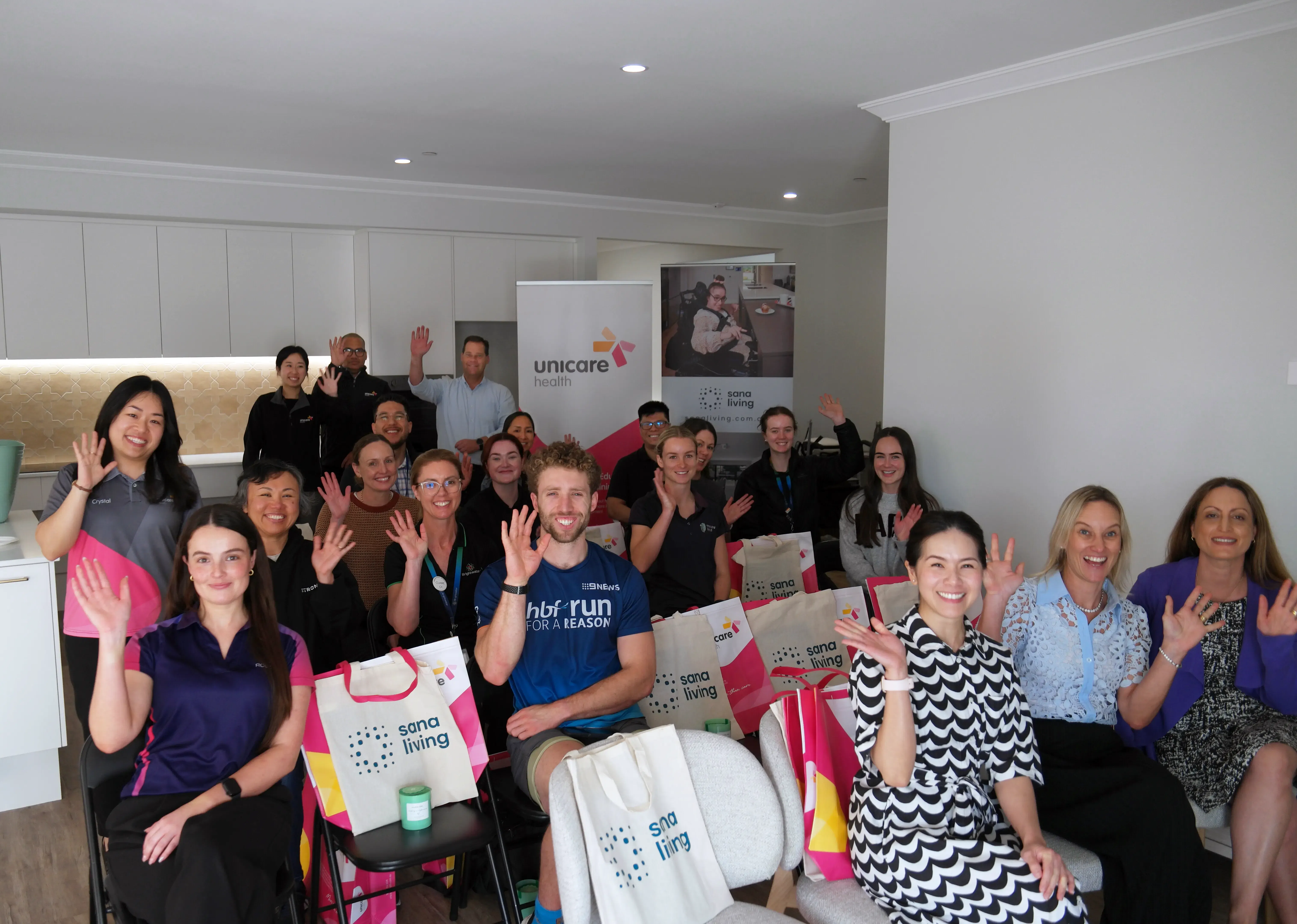
Unicare Health & Sana Living Joint Education Session
15 October 2026
Sana Living SDA Home
7 Waters Avenue, Atwell, WA 6164

Prescribing a ceiling hoist system for your client’s Specialist Disability Accommodation (SDA) home? There’s more to consider than the hoist itself. Your client’s mobility, transfer needs, support arrangements and daily routines all influence how the system should work. The room layout, track coverage and compatibility with other equipment also need careful consideration.
For occupational therapists, physiotherapists and manual handling leaders, planning starts with a practical question: how will this ceiling hoist support your client in their everyday life?

Learning Together in a Sana Living SDA Home
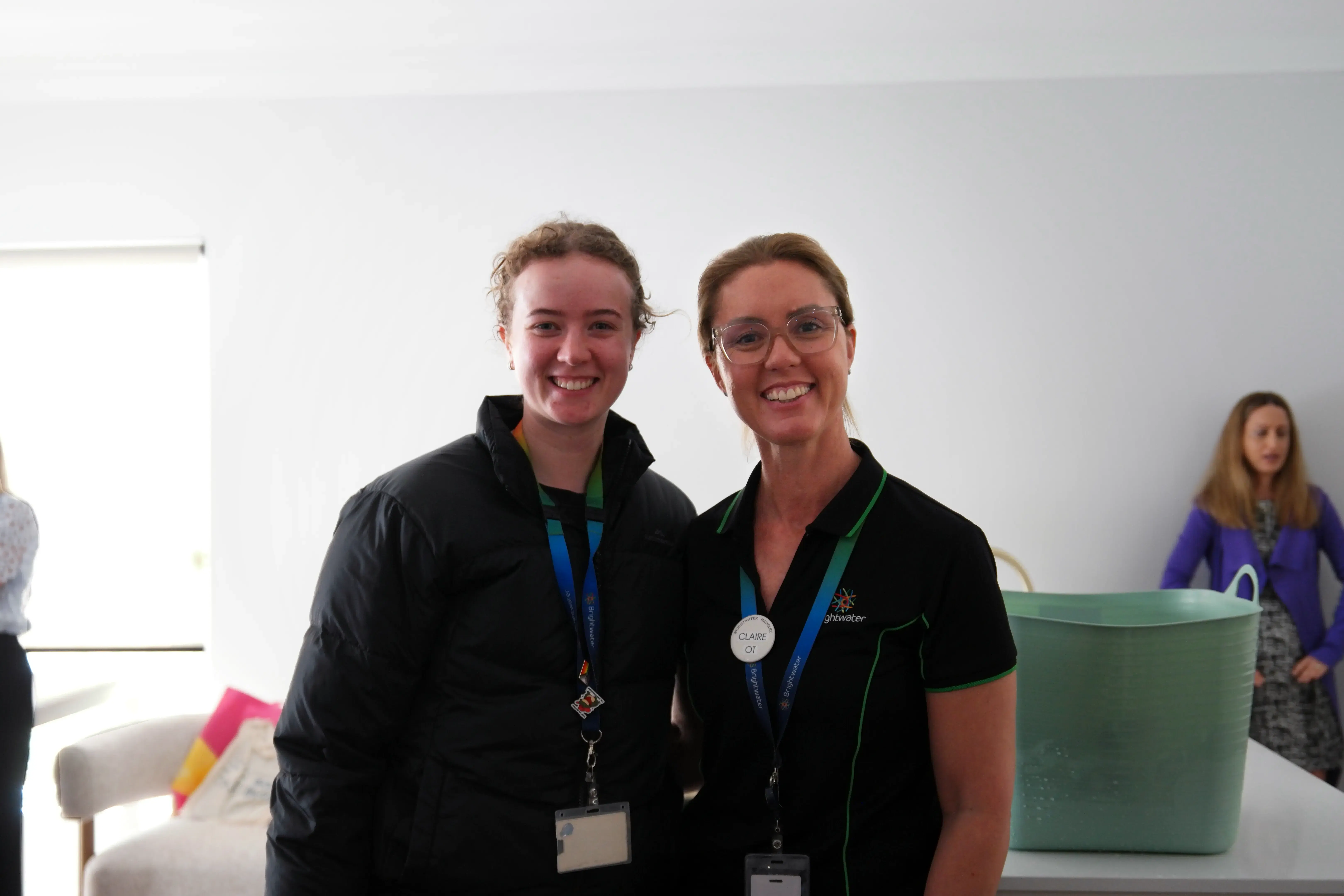
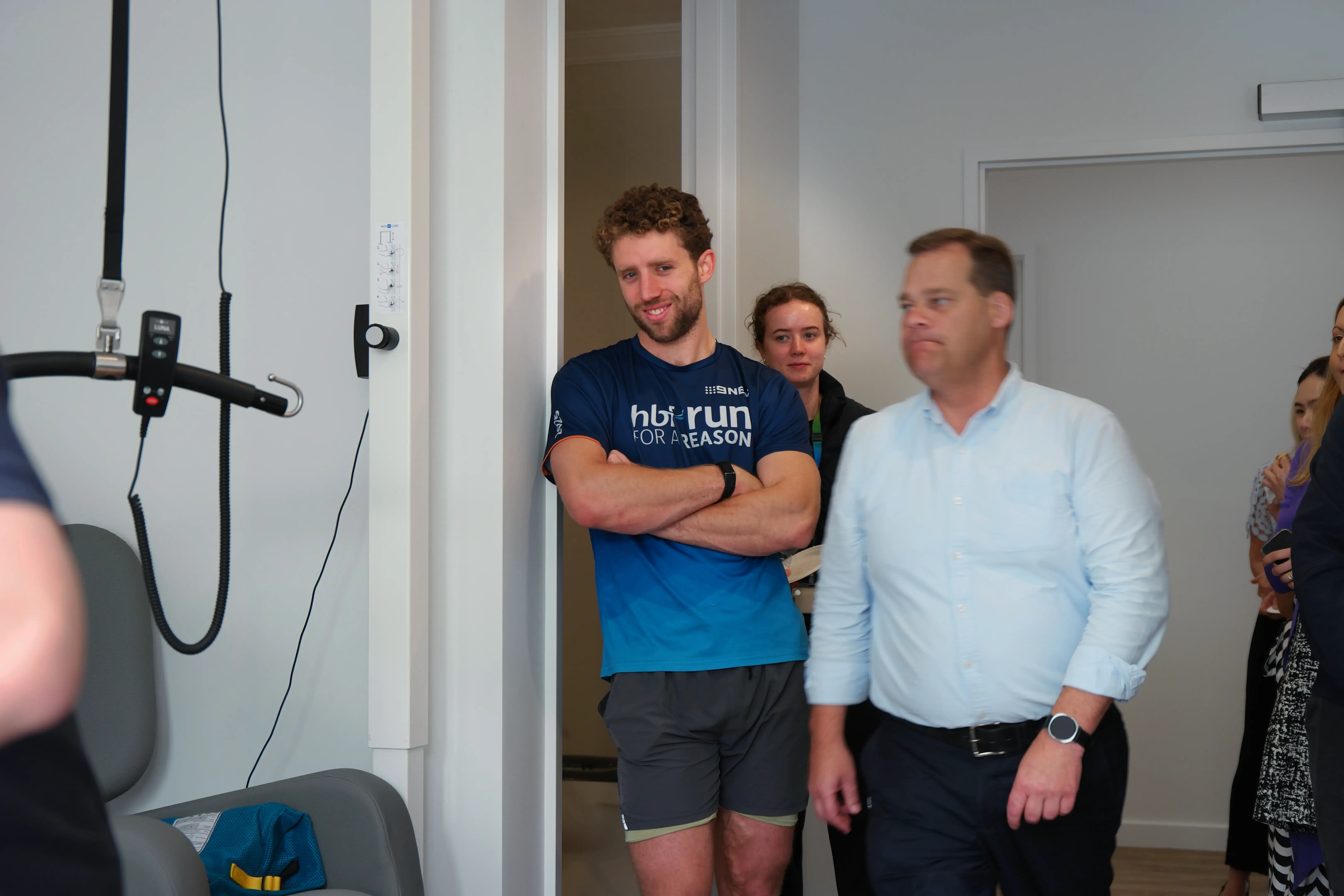
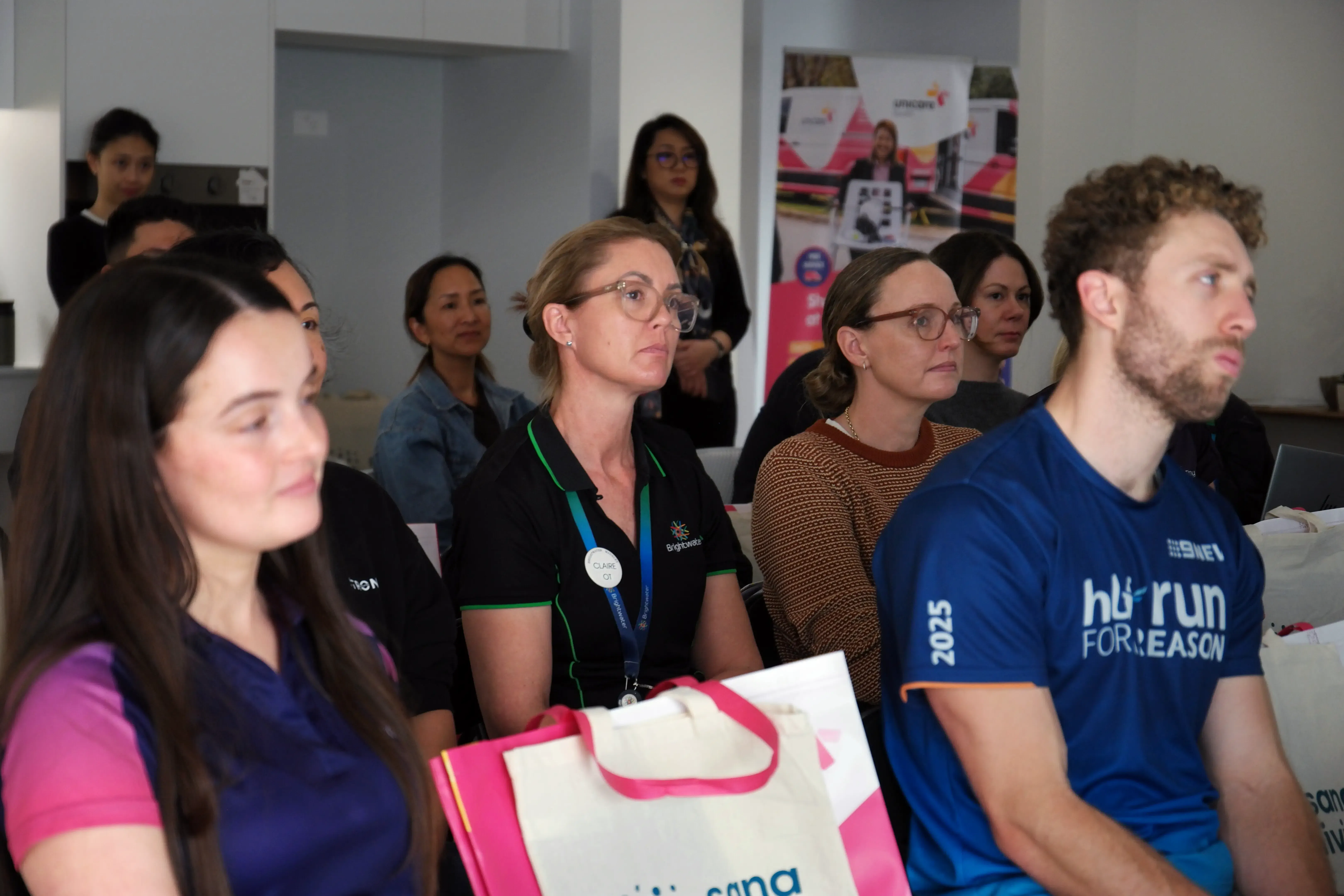
We were delighted to join Sana Living for a joint education session with occupational therapists, physiotherapists and manual handling leaders.
Sana Living is a registered NDIS housing provider offering disability accommodation across Western Australia, Queensland and South Australia.

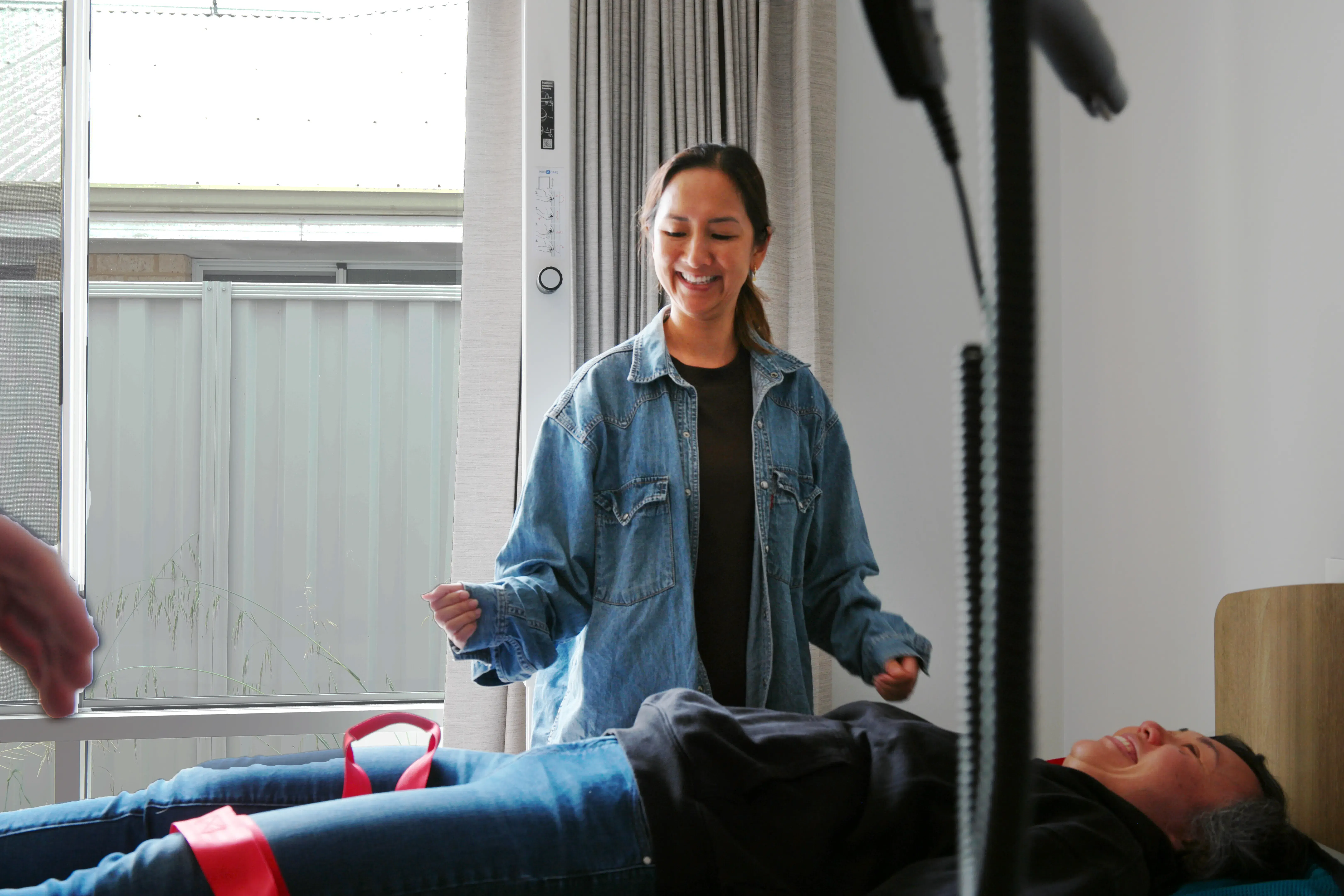
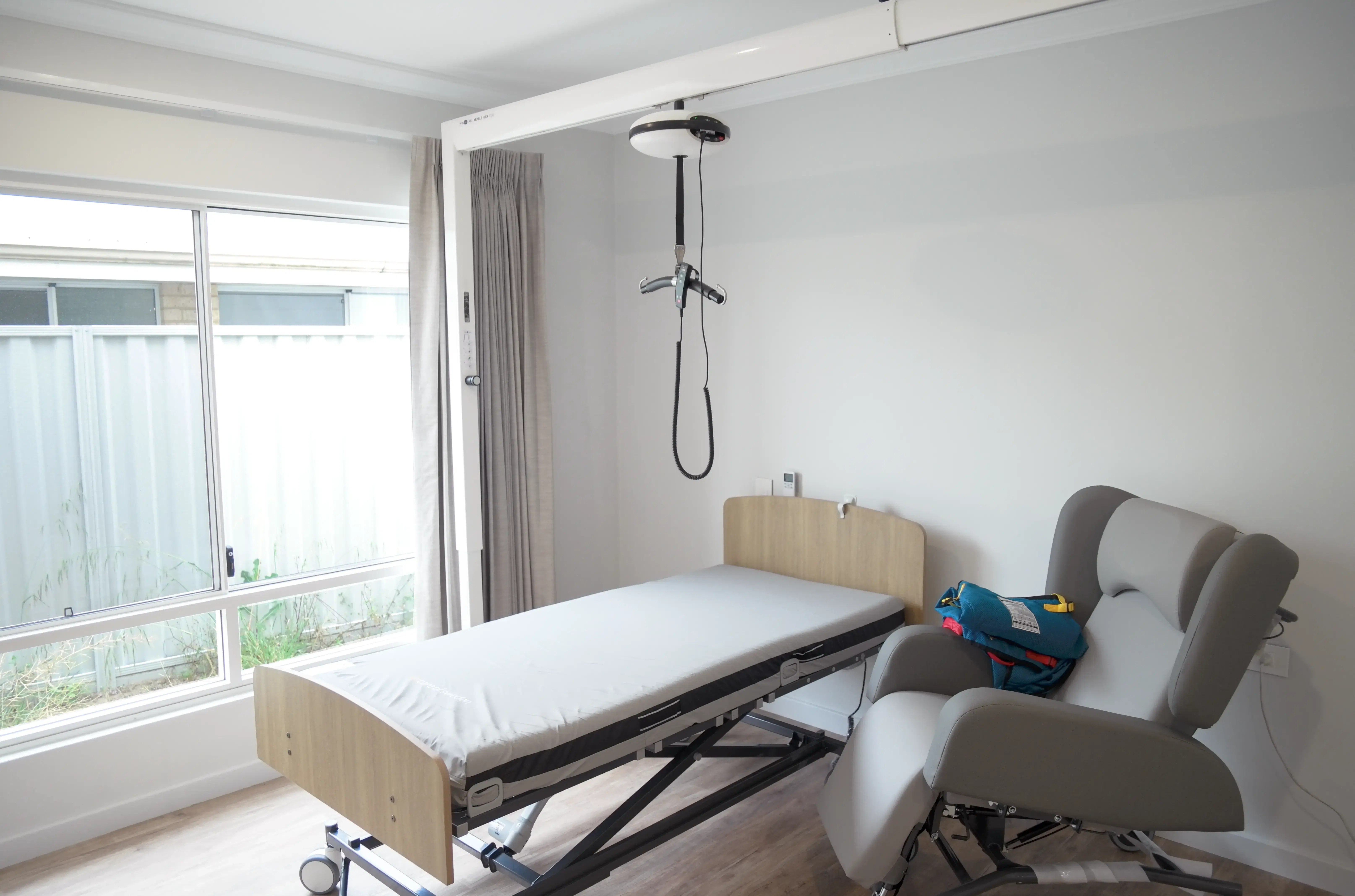
Facilitating the session in an SDA home brought the discussion closer to everyday life. It provided an opportunity to explore how ceiling hoist configurations, tracking systems and transfer requirements fit within a real home environment.
If you’re helping your client move into SDA, these five questions can guide your discussions with their housing provider, support team and equipment supplier.
1. What Ceiling Hoist Provision Is Already in the SDA Home?
You might see “ceiling hoist provision” in a property listing. Before planning your client’s equipment, ask exactly what that includes.
The NDIS SDA Design Standard includes structural and power provision requirements for High Physical Support bedrooms. However, provision for a ceiling hoist does not necessarily mean a complete, operational system is installed.
Ask the housing provider:
- Is ceiling hoist tracking already installed?
- Is a ceiling hoist unit included, or does it need to be arranged separately?
- What documentation is available for the structural provision and any existing installation?
- What approvals are needed before installing or modifying the system?
Clarifying what is already in place helps you identify what still needs assessment, approval and coordination before your client moves in.

2. Will the Ceiling Hoist Track Reach Your Client’s Transfer Points?
Start with your client’s usual day. Where do they need assistance to transfer, and how do they prefer those transfers to happen?
Consider transfers between their bed, wheelchair, shower commode and other relevant equipment. Then review the proposed ceiling hoist track coverage with your equipment supplier.
Useful questions include:
- Does the track cover the positions needed for each assessed transfer?
- Would a straight track or an XY, also called an H-track, configuration better suit the proposed layout?
- Does your client need a transfer route between the bedroom and bathroom?
- Could doorways, furniture or room boundaries affect the proposed route?
Plan the track around your client’s assessed transfer needs and preferred room layout. Checking coverage early helps you identify limitations before installation.

3. Will the Bedroom Layout Support Hoist Transfers?
A bed may fit inside a bedroom, but that doesn’t tell you how well the space will work during a transfer.
Review the layout with your client and the people assisting them. Consider:
- The full bed frame and its position beneath the tracking.
- Wheelchair and shower commode access.
- Space for support workers to assist with the assessed transfer.
- Furniture, storage and access to everyday belongings.
- Your client’s preferred room arrangement.
Your client’s bedroom is their personal space. Involving them in these decisions helps you balance equipment access with comfort, privacy and choice.
4. Are the Hoist, Sling and Other Equipment Compatible?
A ceiling hoist system needs to be considered as a whole. Your assessment should account for the hoist motor, tracking, spreader bar, sling and the equipment your client transfers to and from.
Ask your supplier to confirm the proposed components’ compatibility, safe working loads and installation requirements. Sling selection and fitting also need to reflect your client’s individual needs and the intended transfer tasks.
Equipment selection should sit alongside an individual manual handling assessment, a documented transfer plan and training for the people providing assistance. The NDIS Quality and Safeguards Commission highlights appropriate equipment selection, sling compatibility and worker training in its guidance on safe hoist use.
Wondering how the tracking can be supported?
Read our guide: Does a ceiling hoist need to be fixed to the ceiling?
5. Who Will Coordinate Installation, Training and Servicing?
Before your client moves in, make sure everyone understands what needs to happen and who is responsible.
Agree on:
- Who will coordinate approvals, installation and commissioning.
- Who will confirm equipment arrangements and any outstanding costs.
- Who will prepare the individual transfer plan and arrange practical training.
- Who will organise servicing and respond to faults.
- What the support team should do if the hoist is unavailable.
A shared plan helps your client, housing provider and support team prepare for move-in with clear responsibilities and contact details.
When preparing your assessment documentation, the NDIS guide to assistive technology assessments is a useful reference.
Keep Your Client at the Centre of Ceiling Hoist Planning
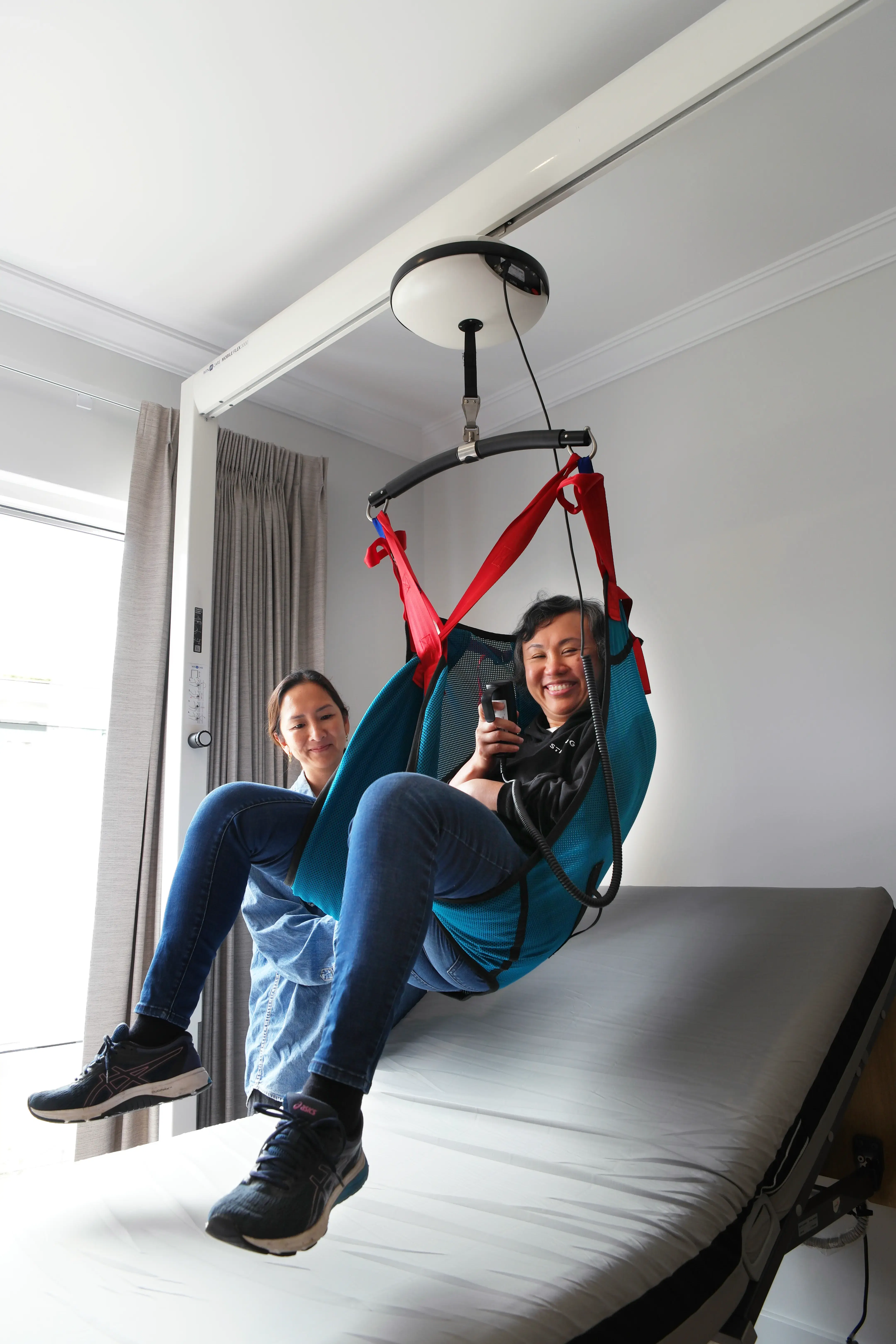
Exploring ceiling hoist systems in a real SDA home was a valuable reminder that equipment, environment and individual needs must be considered together.
Thank you to Sana Living and the occupational therapists, physiotherapists and manual handling leaders who joined us to share questions and practical perspectives.
Whether you’re reviewing an existing system or planning a new installation, start with your client’s goals, daily routines and transfer needs.
Planning a ceiling hoist for your client’s SDA home?
Contact Unicare Health to discuss ceiling hoist site assessments, tracking configurations and equipment options.


